

Digital Vehicle Inspection in Hollywood, FL | CM Auto Repair
Take the guesswork out of auto repair with a Digital Vehicle Inspection at CM Auto Repair in Hollywood, FL. Our technicians perform a comprehensive inspection using digital tools to document your vehicle's condition with clear photos, detailed notes, and easy-to-understand recommendations that are sent directly to your phone or email. From brakes and suspension to fluid levels, belts, hoses, and tires, you'll see exactly what we see before approving any repairs. Whether you're visiting for routine maintenance or diagnosing a concern, our digital inspections provide the transparency and confidence you need to make informed decisions while helping prevent costly breakdowns and unexpected repairs.
What a Digital Vehicle Inspection Actually Shows You
Most people think an inspection is just someone walking around their car with a clipboard. A digital vehicle inspection is completely different.
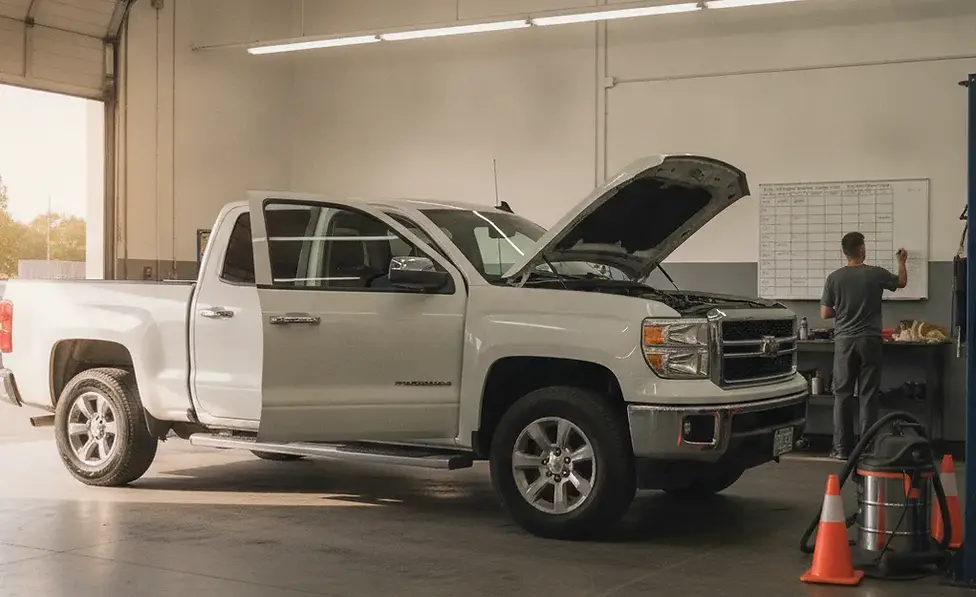
When your vehicle comes into our shop in Hollywood, our technicians go through every major system with a structured checklist tied directly to your car's actual condition. Not a guess. Not a general feel. Real findings, with photos attached to back them up.
Here's what the report actually covers:
-
Brake pad depth and rotor condition, measured in millimeters
-
Tire tread depth at multiple points across each tire
-
Fluid levels and fluid condition, including brake fluid, coolant, and power steering fluid
-
Battery voltage and charging system output
-
Suspension components like ball joints, tie rods, and shocks
-
Belts, hoses, and any visible leaks under the hood or underneath the vehicle
Every item gets flagged green, yellow, or red. Green means it's good. Yellow means watch it. Red means it needs attention now. You get that report sent straight to your phone.
We see this often: a customer comes in for an oil change in the Oakwood area and has no idea their rear brake pads are down to two millimeters. The photo we sent them shows it clearly. No pressure, no guessing. Just the facts.
And that's the whole point. You shouldn't have to take anyone's word for it.
The photos are time-stamped and tied to your specific vehicle. So if you want to compare your inspection from six months ago to today's, you can see exactly how something has changed. That kind of documentation matters on higher-mileage vehicles where things move fast.
What surprises most Hollywood drivers isn't what's red on the report. It's what's yellow. Those are the things quietly moving toward a problem, and catching them early is where you save money.
A digital vehicle inspection doesn't just tell you what's wrong. It tells you the full picture of where your car stands right now. Shop Owner Magazine called Digital Vehicle Inspections an essential part of every vehicles’ life [1].
How the Inspection Process Works at CM Auto Repair
Most shops hand you a paper checklist with checkmarks. That's not what we do.
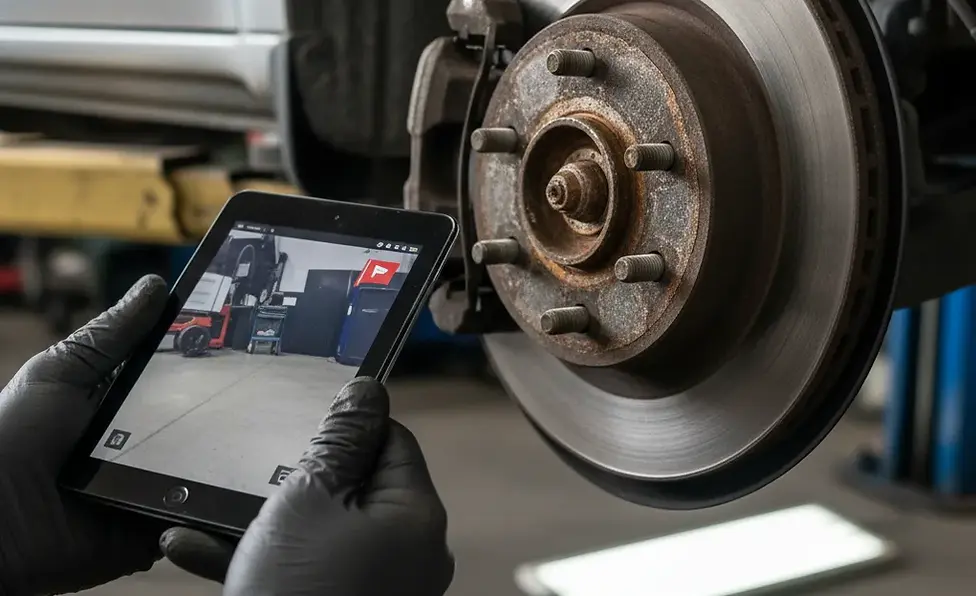
Our digital vehicle inspection uses real photos and video taken right there on the lift. You get to see exactly what our technicians see. Not a summary. Not a vague note that says "brakes need attention." Actual images of your brake pads, your fluids, your belts. We send it straight to your phone while your car is still in the bay.
Here's how it goes from start to finish:
-
You drop off your vehicle at our Hollywood shop and tell us what's going on.
-
A technician pulls it into the bay and starts a full walk-around before anything else happens.
-
We photograph every major system, tires, brakes, suspension, fluids, belts, lights, and more.
-
Each item gets flagged green, yellow, or red based on what we actually find.
-
The full report gets sent to you digitally so you can review it in real time.
-
We walk you through anything flagged and talk through what needs attention now versus later.
Green means good. Yellow means watch it. Red means it needs to be addressed.
We see cars come in from all over Hollywood, including folks from the Liberia neighborhood who've been driving with a yellow flag for months without knowing it. That's not a knock on them, most people just don't know what's going on under the hood until someone shows them. That's why we built this process the way we did.
Nothing gets authorized without your approval. You see the report, you decide what to do. We're not going to start replacing parts before you've had a chance to look at the findings and ask questions. If you want to check out our main service page for full auto repair in Hollywood, you'll see this inspection connects to everything else we do here.
The inspection itself is the foundation. Every good repair decision starts with knowing the truth about what your car actually needs. Learn more about the expert mechanics behind the inspection.

South Florida's Climate Accelerates the Wear a DVI Catches First
Hollywood's heat is no joke. We're talking 90-degree days that stretch from May all the way into October, humidity that never really lets up, and salt air rolling in off the coast. That combination does things to a vehicle that drivers in cooler climates never have to think about.
We see it all the time. A car comes in looking totally fine on the outside, and the digital vehicle inspection shows brake lines with early corrosion, a serpentine belt cracking from heat cycles, or coolant that's broken down way faster than the mileage would suggest. The South Florida environment accelerates everything.
Here's what the climate is specifically doing to your car between oil changes:
-
Rubber components like belts and CV axle boots dry out and crack faster in sustained heat
-
Battery life drops sharply when under-hood temps spike regularly above 100 degrees
-
Brake fluid absorbs moisture more quickly in high-humidity conditions, lowering its boiling point
-
Salt air near the coast speeds up corrosion on brake calipers and exhaust components
That last one matters a lot if you're near the Hollywood Beach area. Vehicles parked close to the water take a harder hit from airborne salt than most owners realize. By the time rust is visible, the damage is already well past the early stage.
A digital vehicle inspection catches this stuff before it becomes a repair bill. Our technicians photograph every component we inspect, so you're not just taking our word for it. You see exactly what we see, right on your phone.
The wear patterns we find in Hollywood cars are different from what shops in drier climates deal with. We've built our inspection process around South Florida conditions specifically, not some generic checklist written for somewhere else entirely.
Your car is working harder than you think just to handle this climate. A digital vehicle inspection tells you exactly where it stands.
Pre-Purchase Inspections for Used Cars in Hollywood
Buying a used car is one of the biggest decisions you'll make this year. Don't let a smooth test drive fool you.
We see it often. Someone drives a car around the block, it feels fine, they buy it. Two weeks later they're in our shop with a bad transmission or a cracked engine mount. Hollywood has no shortage of private sellers and small lots moving cars that look great on the outside and are quietly falling apart underneath. That's exactly why a pre-purchase digital vehicle inspection exists.
Here's what we actually check when you bring us a used car before you sign anything:
-
Engine and transmission condition, including fluid quality and any stored fault codes
-
Brake pad thickness, rotor wear, and brake fluid condition
-
Suspension components like ball joints, tie rods, and struts
-
CV axles and wheel bearings for play or noise
-
Cooling system, belts, and hoses
-
Battery health and charging system output
We pull a full OBD-II diagnostic scan on every pre-purchase inspection. Sometimes a seller will clear codes right before showing the car. Cleared codes leave a footprint, and that scan tells us something the seller didn't mention.
We do a lot of these for buyers shopping in the Oakridge neighborhood and along the used car corridors near Dixie Highway. Bring the car to us before you hand over a check. We'll give you a clear, honest picture of what that vehicle actually needs.
And if the car checks out? You'll drive away with real confidence instead of just hope.
This isn't just about finding problems. It's about knowing what you're getting into. A car might have $400 in needed repairs and still be a great deal. Or it might have $3,000 in deferred maintenance hiding behind a fresh detail and a full tank of gas. We'll tell you which one you're looking at.
Bring us the car. We'll do the rest. Learn more about all of the services our auto repair shop can support you with.
What the Report Tells You, and What You Are Not Required to Fix
The report doesn't make decisions for you. It gives you the full picture, and then you decide.
After a digital vehicle inspection in Hollywood, you get a detailed breakdown of every system we checked. Each item gets sorted into one of three categories. Green means it's good. Yellow means it's something to watch. Red means it needs attention now. We see cars come in with a mix of all three, and that's completely normal for any vehicle that's been on the road for a few years.
Here's what the report actually covers:
-
Brake pad thickness and rotor condition
-
Tire tread depth and pressure readings
-
Fluid levels including coolant, brake fluid, and power steering fluid
-
Battery health and charging system output
-
Suspension components like ball joints and tie rods
-
Belts, hoses, and visible engine components
Most reports include photos. You can see exactly what we saw. No guessing, no taking our word for it.
A yellow item on your report isn't an emergency. It's a heads-up. Maybe your brake pads are at 4mm and we're flagging them because they'll need replacement in the next few months. That doesn't mean you have to fix them today. It means you should plan for it.
Red items are different. Those are things that affect safety or could turn into a much bigger repair if ignored. A cracked serpentine belt, a brake fluid level that's dangerously low, a battery that's failing in the South Dixie Highway heat, those aren't things to push off indefinitely.
But you're still in charge. We're not going to pressure you into fixing everything on the same visit. We've been doing this long enough to know that people have budgets and schedules, and our job is to give you honest information so you can make smart calls.
The report is yours to keep. Bring it to a second shop if you want a second opinion. We've got nothing to hide.
Frequently Asked Questions
What does a digital vehicle inspection report actually look like when I get it?
You receive a photo-based report sent straight to your phone while your car is still in the bay. Each item is flagged green, yellow, or red. Green means it's good. Yellow means watch it. Red means it needs attention now. You see real photos of your brake pads, belts, and fluids — not just a checkmark on a form. If something changed since your last visit, you can compare both reports side by side.
Does Hollywood's heat and humidity really affect my car that much between visits?
Yes, and faster than most drivers expect. Hollywood's heat, humidity, and salt air off the coast break down rubber components, drain battery life, and pull moisture into brake fluid more quickly than in cooler climates. Vehicles near the Hollywood Beach area take extra hits from airborne salt on brake calipers and exhaust parts. A digital vehicle inspection catches this early wear before it turns into a bigger repair bill.
Do I have to approve repairs before anything gets done?
Nothing gets started without your approval. You review the full report first, then decide what you want to address. We walk you through anything flagged and explain what needs attention now versus what can wait. You're never pressured into a decision on the spot. The whole point is to give you the facts so you can make the call yourself.
How long does a digital vehicle inspection take?
Most inspections are completed while your car is already in the bay for another service, like an oil change. The technician photographs every major system during that same visit. You typically receive your report within the first hour. If your vehicle comes in just for a standalone inspection, the process usually wraps up in under an hour depending on the car's condition and mileage.
What's the difference between a digital inspection and a regular inspection?
A regular inspection often means a paper checklist with checkmarks and vague notes. A digital vehicle inspection uses actual photos and video taken right there on the lift. You see exactly what the technician sees — your specific brake pads, your specific fluids, your specific belts. The findings are tied to your vehicle and time-stamped, so there's no guessing and no taking anyone's word for it.
Why do so many Hollywood drivers not know about yellow-flagged items on their report?
Most people only hear about what's broken, not what's quietly getting worse. Yellow-flagged items are the ones moving toward a problem but not there yet. We see this regularly — a car comes in from the Liberia neighborhood for a routine oil change, and the report shows worn suspension components the driver had no idea about. Catching yellow items early is usually where you save the most money.